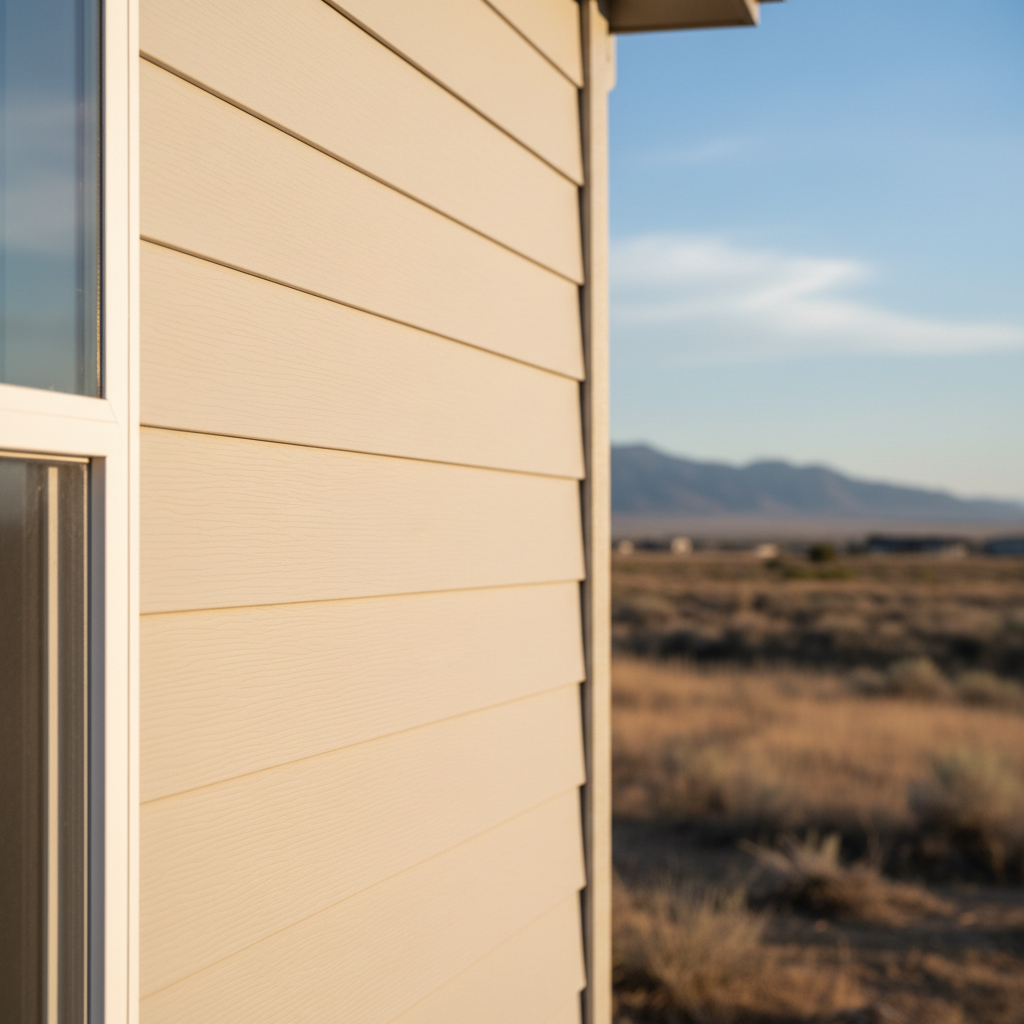
So, you're thinking about putting up some vinyl siding on your house. Maybe you've seen a neighbor's place looking sharp, or you're just tired of painting, right? It's a solid choice for a lot of homes here in South Jordan – low maintenance, looks good, and can really boost your curb appeal. But before you dive in, let's get real about what this project actually involves, what you can probably handle, and when you absolutely should step back and let someone like us at Western Siding Company take over.
Before You Start: Planning and Prep
First things first, you've got to plan. This isn't a weekend warrior project for most folks, especially not a whole house. You'll need to figure out how much material you need. Measure your walls, account for windows and doors, and then add about 10-15% for waste. Trust me, you'll have waste. Cutting mistakes, damaged pieces, or just needing an extra strip – it happens.
Then there are the tools. You're not just going to need a hammer and a level, believe me. You'll want a good utility knife, tin snips, a chalk line, a tape measure, a siding removal tool (if you're pulling off old stuff), a power saw with a fine-tooth blade (for clean cuts), and a zip tool. Don't forget safety gear: gloves, eye protection, and a hard hat if you're working up high. Ladders or scaffolding are a must. Trying to do this from a wobbly step stool is just asking for trouble.
Surface prep is huge. If you're removing old siding, you'll need to make sure the sheathing underneath is sound. Repair any rot, replace damaged sections, and make sure everything is clean and dry. You'll also need to install a house wrap – that's critical for moisture management, especially with our occasional heavy snowmelt and those summer thunderstorms we get around here. Don't skip the house wrap; it's your home's rain jacket.
During Installation: DIY vs. Pro
Okay, so you've got your materials and tools. Can you actually install it yourself? For a small shed, a dog house, or maybe a single, easy-to-reach wall on your garage, sure, you might be able to tackle it. You'll learn a lot, probably make a few mistakes, but it's doable.
The basics aren't rocket science: install your starter strip at the bottom, then work your way up, overlapping each panel. You'll need J-channel around windows and doors, and corner posts for, well, the corners. The trick is to not nail the siding too tight. Vinyl needs to expand and contract with temperature changes – and we get some pretty wild swings here in South Jordan, from freezing winters to scorching summers. If you nail it tight, it'll buckle and warp, and your house will look like a funhouse mirror. Leave about a 1/16th of an inch gap at the ends and don't drive the nails all the way home; leave a little play.
Now, for a whole house, especially a multi-story one, that's where I'd tell you to seriously consider calling a pro. Why? For starters, safety. Working on ladders or scaffolding for days on end is exhausting and dangerous. One slip, and you're looking at a hospital visit. Then there's the time commitment. This isn't a quick job. It takes skill, patience, and experience to get those lines straight, the cuts clean, and everything properly flashed and sealed. A professional crew can get it done in a fraction of the time, and they've got the specialized tools and know-how to do it right the first time.
Things like making sure your wall is plumb, dealing with tricky angles, or working around complex architectural features on some of the newer homes in neighborhoods like Daybreak – those are all areas where a DIYer can quickly get overwhelmed. We've seen plenty of jobs where homeowners started strong and then realized they were in over their heads. It often ends up costing them more in the long run to fix their mistakes than it would have to hire us from the beginning.
After Installation: Maintenance and Longevity
Once the siding is up, whether you did it or we did, the maintenance is pretty simple. That's one of the big draws of vinyl. You won't be painting it every few years, that's for sure. A good wash once a year or every couple of years with a soft brush and a garden hose, or a low-pressure power washer, is usually all it takes to keep it looking fresh. Just be careful with the power washer; too much pressure can force water behind the panels or even damage them.
Keep an eye out for any loose panels or trim, especially after a big windstorm. If you see something flapping, get it fixed quickly before it causes more damage. Also, check around your dryer vents and other penetrations to make sure they're still sealed tight. Critters love to find little gaps to sneak into your walls.
Ultimately, vinyl siding is a fantastic investment for your South Jordan home. It's durable, looks great, and saves you a ton on upkeep. Just be honest with yourself about your skills, your time, and your comfort level with heights and power tools. Sometimes, the smartest DIY move is knowing when to call in the experts to ensure the job gets done safely and correctly.