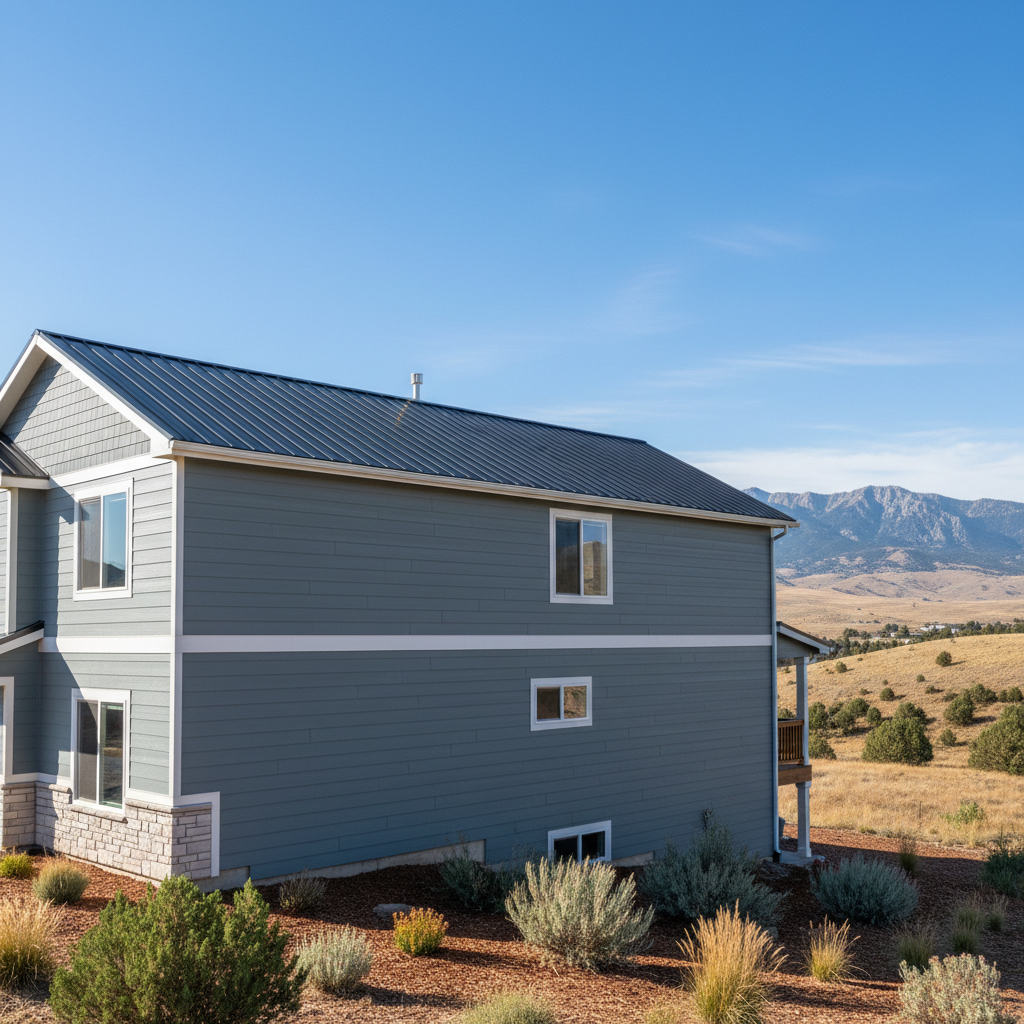
Siding Installation Costs in South Jordan: What You'll Really Pay
Alright, let's talk real numbers. You're looking at new siding for your house here in South Jordan, and you want to know what it's going to cost you. It's not a simple answer, but I can give you a solid idea of what to expect and what factors are really going to move that price tag around. I've been doing this for years with Western Siding Company, and I've seen it all.
First off, forget those national averages you might find online. South Jordan, like the rest of the Wasatch Front, has its own unique market. Labor costs, material availability, and even our specific building codes can make a difference. Plus, our crazy weather – those hot summers and cold, snowy winters – means you often want materials that can really stand up to the elements, which sometimes costs a bit more upfront but saves you a ton down the road.
What Makes Siding Prices Go Up or Down?
There are a few big hitters here:
- Material Choice: This is probably the biggest factor. Vinyl is generally the most budget-friendly, often running from $3 to $8 per square foot installed. Fiber cement, like James Hardie, is a step up in durability and looks, usually $7 to $12 per square foot. Wood siding, whether it's cedar or redwood, can be anywhere from $6 to $15 per square foot, but it needs more maintenance. Stone veneer or brick is a whole different ballgame, often $15 to $30+ per square foot.
- House Size & Complexity: A small, simple ranch house is going to be cheaper than a big two-story with lots of gables, bump-outs, and intricate architectural details. More corners, windows, and doors mean more cutting, fitting, and trim work, which takes more time and material.
- Existing Siding Removal: If you've got old siding that needs to come off, that's an extra cost. Typically, it's $1 to $2 per square foot for removal and disposal. Sometimes, if the old siding is in decent shape and structurally sound, you can go over it, but that's not always the best long-term solution.
- Prep Work & Repairs: Before new siding goes on, we need a clean, sound surface. If there's rotten sheathing, damaged framing, or extensive insulation issues, those repairs will add to the bill. We're talking anywhere from a few hundred bucks to several thousand, depending on the extent of the damage.
- Trim, Soffit, Fascia, & Gutters: Don't forget these. Most people upgrade or replace these components when they do siding. New aluminum fascia and soffit can add $2 to $5 per linear foot, and gutters are usually $5 to $10 per linear foot.
- Permits: Yes, you'll need one in South Jordan for most major exterior renovations. It's usually a few hundred dollars, but your contractor should handle that for you.
Typical Ranges for a Full Siding Job in South Jordan
Okay, let's get specific. For an average 2,000 square foot home in Daybreak or along the Jordan River Parkway, here's what I generally see:
- Vinyl Siding: You're probably looking at a total project cost of $8,000 to $18,000. This covers mid-grade vinyl, removal of old siding, basic trim, and installation.
- Fiber Cement Siding (e.g., James Hardie): This will usually run you $15,000 to $30,000. This includes pre-painted fiber cement, all the necessary trim pieces, and a professional installation. It's a fantastic, durable product that holds up great to our climate.
- Wood Siding: For cedar or similar, expect $12,000 to $25,000. This can vary a lot based on the type of wood and finish.
Remember, these are broad averages. Your specific house and choices will dictate the final number.
What Should a Quote Include?
When you get a quote from Western Siding Company or any other reputable contractor, it should be detailed. You want to see:
- Material Breakdown: Type of siding, brand, color, quantity (square footage).
- Labor Costs: Clearly outlined.
- Removal & Disposal: If applicable, how much for tearing off the old stuff and hauling it away.
- Trim & Accessories: All the pieces around windows, doors, corners, soffit, fascia, and any special architectural details.
- Permit Fees: Who is responsible for pulling it and the estimated cost.
- Warranty Information: Both on the materials and the labor.
- Payment Schedule: What's due upfront, during the project, and upon completion.
- Insurance & Licensing: Confirmation that the contractor is properly insured and licensed in Utah.
How to Avoid Overpaying
It's simple: do your homework. Get at least three detailed quotes. Don't just go with the cheapest bid; sometimes that's a red flag for cutting corners or using lower-quality materials. Ask for references and check them. Look at past work. Make sure they're licensed and insured. A good contractor will be transparent about their pricing and happy to answer all your questions. We always are.
Investing in new siding is a big deal for your home. It protects your biggest asset, boosts curb appeal, and can even improve energy efficiency. Take your time, ask the right questions, and you'll get a great result without breaking the bank.