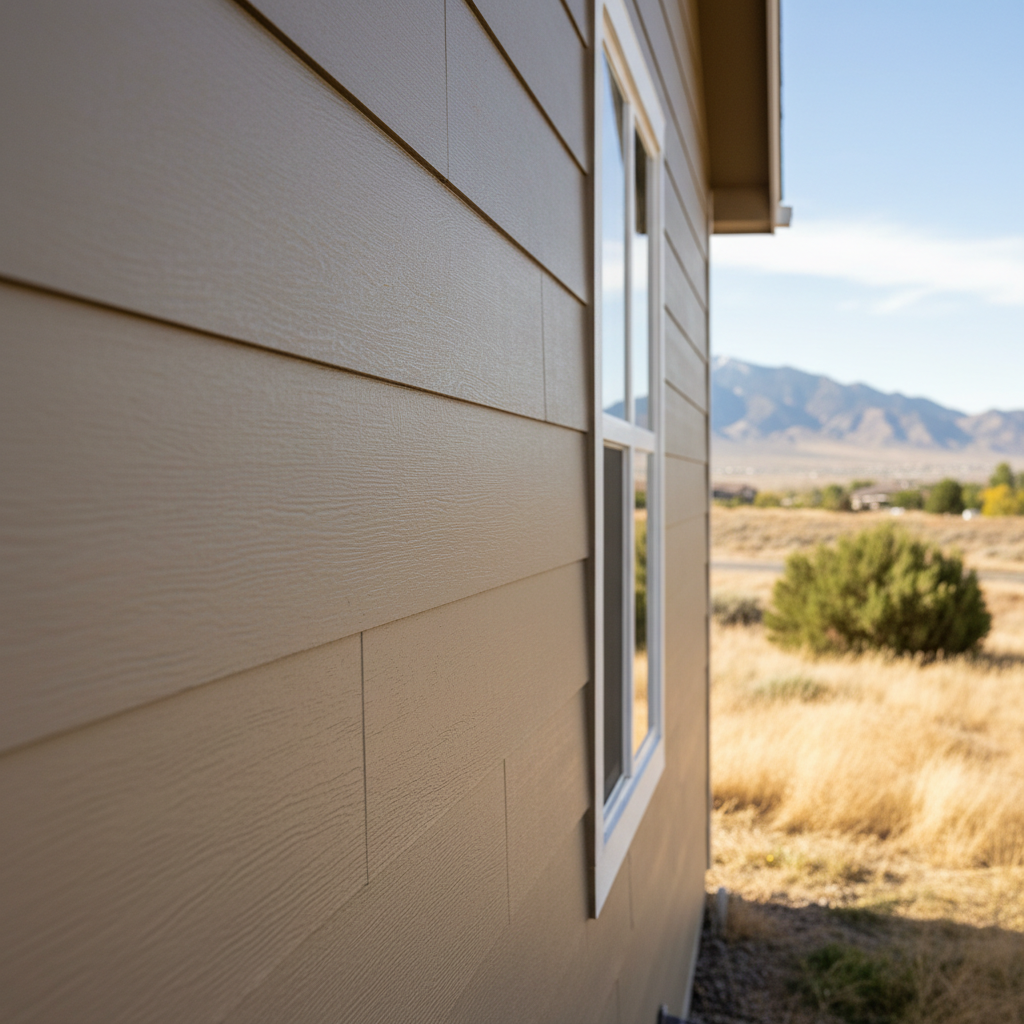
Alright, let's talk James Hardie siding. I get a lot of questions about this stuff, and for good reason. It's a popular choice around here in South Jordan, and folks want to know if it's really worth the investment. So, I've put together answers to the most common questions I hear. No marketing fluff, just straight talk from someone who installs it.
Is James Hardie Siding Really Worth the Higher Cost?
This is probably the number one question I get. Look, Hardie Board isn't the cheapest option out there, I'll be honest with you. You're going to pay more upfront than you would for, say, vinyl siding. But here's what you're buying: durability, low maintenance, and a serious boost in curb appeal. It's fiber cement, so it's tough. It laughs at our crazy Utah weather — those hot summers and freezing winters don't bother it like they do some other materials. It's also resistant to pests, rot, and fire. When you factor in its lifespan and how little you'll spend on repairs or repainting compared to wood, that higher initial cost starts looking a lot more reasonable. It's an investment that pays off over decades, not just years.
How Does Hardie Siding Hold Up Against Our Utah Climate?
This is where Hardie really shines for us in South Jordan. Our climate is no joke, right? We get scorching sun in the summer, sometimes hitting 100 degrees, and then we have those brutal, snowy winters that dip well below freezing. Plus, we've got that dry air. Vinyl can get brittle in the cold and warp in the heat. Wood needs constant attention. Hardie siding is engineered for specific climates, and the HZ5 product line is what we use here. It's built to handle freezing temperatures, moisture, and extreme seasonal changes. I've seen it perform beautifully on homes from Daybreak to Glenmoor, holding its color and integrity year after year. It's designed to expand and contract minimally, so you don't get the buckling or cracking you might see with other materials.
What's the Deal with Hardie's ColorPlus Technology? Is it Worth It?
Okay, ColorPlus Technology. This is Hardie's factory-applied finish, and yes, it's absolutely worth it. You can get Hardie siding primed and ready for paint, but if you go that route, you'll be hiring a painter every 5-7 years, maybe sooner depending on sun exposure. ColorPlus is a baked-on finish that's applied in a controlled factory environment. It's incredibly durable, resists chipping, fading, and cracking way better than a field-applied paint job. It comes with a 15-year limited warranty on the finish itself, which tells you something about how confident they are in it. For South Jordan homeowners, especially those with south-facing homes that get blasted by the sun, ColorPlus means you won't be repainting nearly as often. It keeps your home looking sharp for a long, long time with minimal fuss.
Does Hardie Siding Require a Lot of Maintenance?
Compared to wood siding, Hardie siding is practically maintenance-free. You won't be scraping, sanding, or repainting every few years. The main thing you need to do is keep it clean. I recommend a gentle wash with a garden hose and a soft brush every 6-12 months to remove dirt, pollen, and any grime that builds up. You can use a mild detergent if needed. Just avoid high-pressure washers, as they can damage the finish or even the siding itself if you're not careful. Also, keep an eye on your caulk lines around windows and doors. If you see any cracking, get it re-caulked to prevent moisture intrusion. That's about it. It's pretty hands-off, which is a big selling point for busy families around here.
How Does Hardie Siding Affect Home Insurance Premiums?
This is a smart question to ask. Because James Hardie siding is non-combustible — meaning it won't ignite when exposed to a flame — many insurance companies offer a discount on homeowner's insurance premiums. It's considered a fire-resistant material, which reduces the risk of fire damage to your home. Now, the exact discount varies by insurer and policy, so you'll need to check with your specific insurance provider. But it's definitely a benefit worth looking into. Any little bit you can save on annual costs adds up, and it's another way Hardie siding can save you money in the long run.
What's the Installation Process Like for Hardie Siding?
Installing Hardie siding is a specialized job, and it's not something you want just anyone doing. It's heavier than vinyl, requires specific tools, and the manufacturer has strict installation guidelines that need to be followed for the warranty to be valid. We're talking about proper flashing, nailing patterns, gap requirements, and sealing. When Western Siding Company does an install, we make sure our crews are trained and certified to install Hardie products. It's a precise process, and if it's not done right, you can run into issues with moisture, warping, or even the siding failing prematurely. A good installation ensures your siding performs as it should for its full lifespan.