Thinking About Insulation? Here's the Deal.
So, you're staring at those energy bills, or maybe you've just noticed your house feels drafty, especially when those cold snaps hit South Jordan. Insulation's probably on your mind, right? It's one of those things that makes a huge difference in comfort and how much cash you're shelling out to Dominion Energy every month. But what can you actually do yourself, and when should you just pick up the phone and call a professional?
I've seen a lot of homes around here, from the older places in Daybreak to the newer builds up by the District. Good insulation is key no matter where you are, especially with our hot summers and chilly winters. Let's break down what you need to know.
Before You Even Start: The Prep Work
Before you lift a finger or buy a single roll of insulation, you need to figure out what you've got and where your problems are. This isn't rocket science, but it does take a bit of detective work.
- Check Your Attic: This is usually the easiest place to start. Pop your head up there (carefully!) and take a look. What kind of insulation is it? Is it old, flattened fiberglass? Blown-in cellulose that's settled? Is there enough of it? In Utah, we're talking R-values. For attics, you're generally aiming for R-38 to R-60, which usually means 10-16 inches of material. If you've got less than that, you're probably losing a lot of heat.
- Look at Your Walls: This one's trickier for DIY. Unless you're doing a major renovation and have the siding off (which is where Western Siding Company comes in handy!), checking wall insulation isn't easy. You might notice cold spots or outlets that feel drafty. Sometimes, you can use an infrared thermometer to spot temperature differences.
- Basement/Crawl Space: Don't forget down low. If you have an unconditioned crawl space, insulating the rim joists and the floor above it can make a big difference. Basements, especially unfinished ones, often benefit from insulating the walls.
- Seal Air Leaks First: This is HUGE. Insulation won't do its job if air is just blowing right through cracks and gaps. Before you add more insulation, go around with a tube of caulk and a can of spray foam. Seal around windows, doors, electrical outlets, plumbing penetrations, and any gaps in your attic floor. This is a super effective DIY job that pays off immediately.
The DIY Zone: What You Can Tackle
Alright, so you've done your homework. What can a regular homeowner realistically do without special equipment or training?
- Attic Blown-In Insulation (Adding On): If you already have some blown-in insulation but not enough, you can often rent a blower machine from a big box store. It's dusty, and you'll want a good mask and eye protection, but it's totally doable. You just feed the bags of cellulose or fiberglass into the machine, and a hose blows it into your attic. It's a great way to boost your R-value.
- Attic Batts/Rolls (Adding On): If you've got existing batts or rolls and want to add more, you can lay new unfaced batts perpendicular to the old ones. This helps cover any thermal bridging from the joists. It's a bit more labor-intensive than blowing, but again, very DIY-friendly.
- Sealing Air Leaks: As I mentioned, this is prime DIY territory. Caulk, foam, weatherstripping – go nuts. It's cheap, effective, and you'll feel the difference.
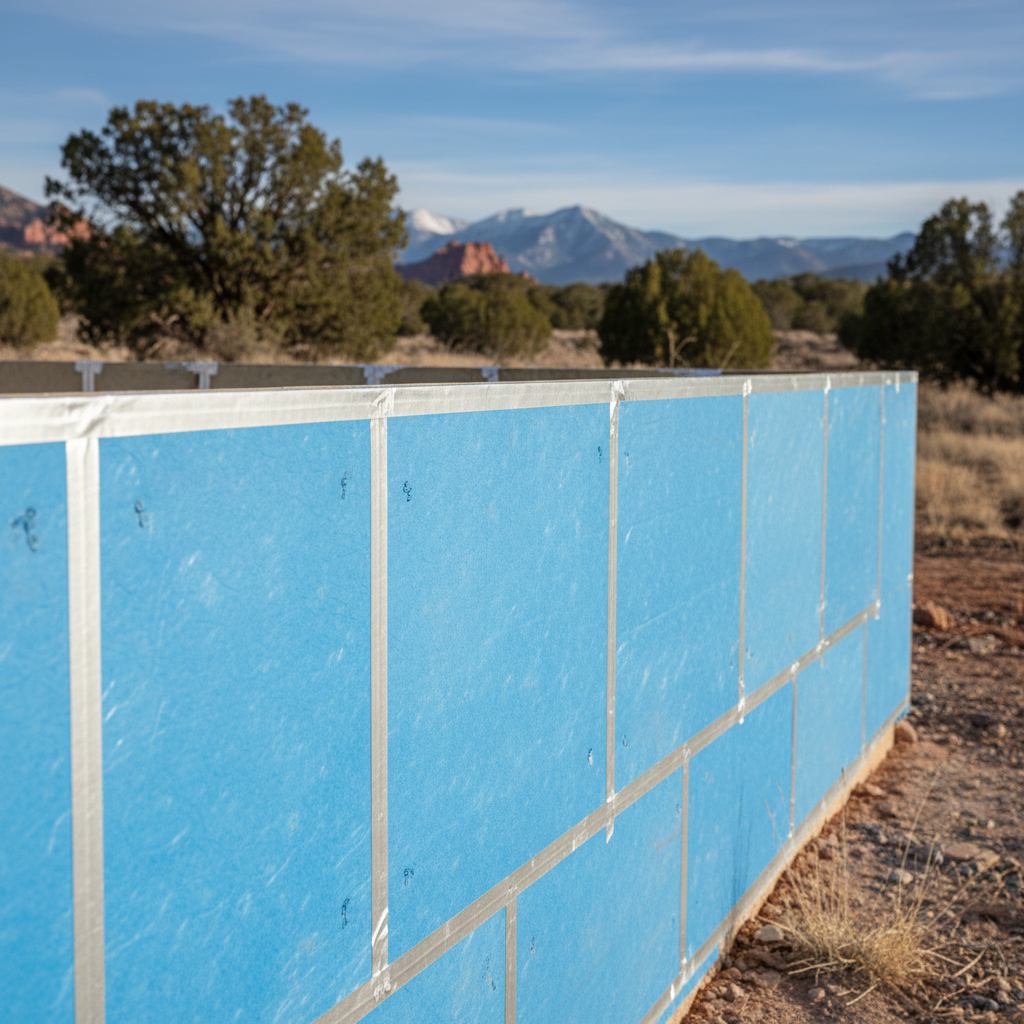
- Insulating Rim Joists in a Crawl Space/Basement: You can cut rigid foam board to fit snugly into the rim joist bays and seal the edges with spray foam. It's a bit fiddly, but not beyond a handy homeowner's skill set.
For any DIY insulation work, make sure you wear proper safety gear: a good respirator, gloves, long sleeves, and eye protection. Fiberglass and cellulose can be irritating.
When to Call a Pro: Leave it to Us
There are definitely times when trying to DIY insulation just isn't worth the headache, or it's simply beyond what you can safely or effectively do. This is where a professional insulation contractor comes in.
- Wall Cavity Insulation: If you want to insulate existing wall cavities without tearing off your siding or drywall, you need specialized equipment. Pros can drill small holes and blow insulation into the walls. This is a job for someone who knows what they're doing to avoid creating voids or damaging your home.
- Complete Attic Clean-Outs and Re-Insulation: If your attic insulation is old, contaminated (think rodent droppings), or water-damaged, you'll want a pro to remove it safely and then re-insulate. That's a dirty, unpleasant job that requires specialized vacuum equipment.
- Spray Foam Insulation: This stuff is fantastic for sealing and insulating, especially in tricky areas or for creating an airtight envelope. But it requires specific equipment, careful mixing, and expertise to apply correctly. Mess it up, and you've got a real problem on your hands. Don't DIY spray foam.
- Insulating Cathedral Ceilings or Sloped Roofs: These areas are complex because you need to maintain proper ventilation while still getting good insulation. A pro understands the building science here and can ensure you don't create moisture problems.
- When You're Unsure: Honestly, if you're feeling overwhelmed or just not confident, call a pro. Getting it right the first time saves you money and headaches down the road.
After the Project: What to Expect
Once the insulation is in, whether you did it or a pro did, you should notice a difference pretty quickly. Your home will feel more comfortable, with fewer drafts and more consistent temperatures from room to room. Your furnace and AC won't have to work as hard, which means lower energy bills. It's a solid investment in your home's comfort and value.
Keep an eye on your energy bills in the months following. You should see a noticeable drop. If you don't, it might be worth re-evaluating where heat is still escaping or entering. Sometimes it's not just insulation; it could be old windows or leaky ductwork. But for most South Jordan homes, a good insulation upgrade is a real benefit.
My Two Cents
Insulation isn't the flashiest home improvement, but it's one of the most impactful. Do what you can yourself to save some money, especially with the air sealing. But don't be afraid to bring in the experts for the bigger, more complex jobs. It's about making your home efficient and comfortable, and sometimes that means knowing when to call in the cavalry.