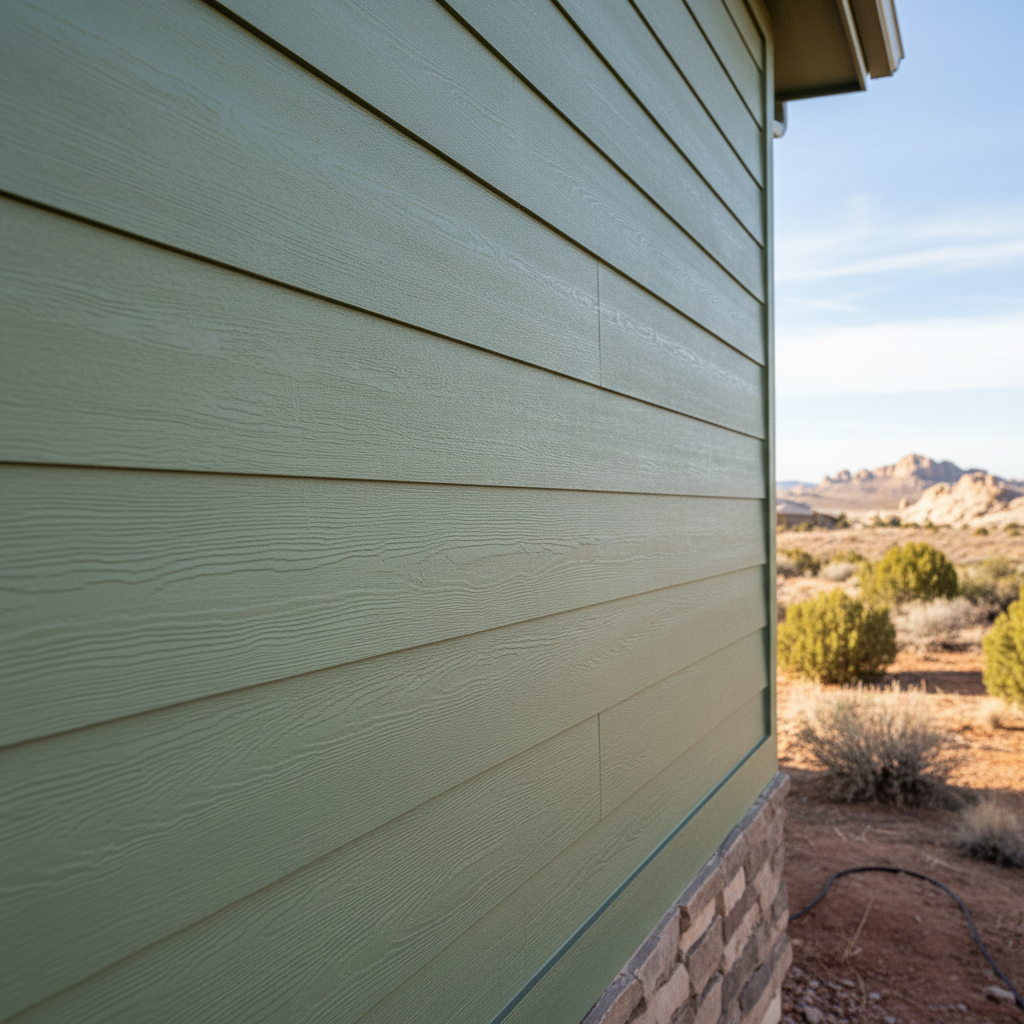
Why Bother Inspecting Your Siding?
Look, your home's siding isn't just there to make the place look pretty. It's actually your first line of defense against everything Mother Nature throws at us here in South Jordan – from those scorching summer sun rays bouncing off the Oquirrhs to the heavy snowfalls we get in winter. Ignoring it? That's like ignoring a leaky roof; it’s gonna cost you more down the road, guaranteed. A little proactive checking can save you a ton of cash and stress, plain and simple.
Before You Even Start: Safety First
This isn't a race, and frankly, it's not worth a trip to the ER. If you're not comfortable on a ladder, or if your house is super tall, don't push it. Seriously. There are plenty of parts you can check from the ground. For the high stuff, well, that's what pros are for. Make sure you've got sturdy shoes, and if you *are* using a ladder, have someone spot you. No heroics, just smart work.
What You Can Realistically Check Yourself
Alright, let's get into the nitty-gritty. You don't need any fancy tools for this, just your eyes, maybe a small screwdriver, and a notepad or your phone to snap some pictures.
- Look for Obvious Damage: Walk around your whole house, slowly. Are there any missing pieces of siding? Cracks? Dents? Warping? This is especially common with vinyl siding after a really hot summer, or if it's been hit by hail. Fiber cement is tough, but even that can crack if something hits it hard enough.
- Check for Fading or Chalking: Is your siding looking dull? If you rub your hand on it and get a chalky residue, that's a sign the finish is breaking down. It might not be an immediate structural issue, but it means it's losing its protective qualities. That could mean it needs a repaint or replacement sooner rather than later.
- Inspect the Seams and Joints: Pay close attention where two pieces of siding meet, around windows, doors, and at corners. Are the seams tight? Is the caulk cracked, peeling, or missing? That caulk is crucial for keeping water out. If it's failing, water can get behind your siding, leading to rot, mold, and bigger problems.
- Look for Bubbling or Peeling Paint: If you have painted siding, bubbling or peeling paint often means moisture is trapped underneath. This is a big red flag. It could be from a leak, or just poor ventilation.
- Spot for Mold, Mildew, or Algae: Green or black patches, especially on the north side of your house or in shady areas, indicate moisture. While it might just need a good cleaning, sometimes it points to persistent dampness that could be affecting the siding material itself.
- Tap Test for Rot: If you have wood siding, or even fiber cement that's been compromised, gently tap on suspicious areas with the handle of your screwdriver. If it sounds hollow or feels soft and spongy, you've likely got rot. This is a serious issue that needs addressing quickly.
- Check for Pest Activity: Look for small holes, nests, or droppings. Carpenter ants, termites, and even birds or squirrels can cause significant damage to siding, especially wood.
- Gutters and Downspouts: This isn't strictly siding, but clogged or overflowing gutters can dump water directly onto your siding, causing stains, rot, and accelerated wear. Make sure they're clear and directing water away from your home's foundation.
When to Call a Pro (Like Us at Western Siding Company)
You've done your walk-around, and you've found some stuff. Now what? Here's when it's smart to pick up the phone:
- Extensive Damage: A few small cracks? Maybe you can patch it. But if you're seeing widespread warping, multiple missing panels, or large areas of rot, that's beyond a DIY fix.
- Water Intrusion Signs: If you've got bubbling paint, soft spots, or you're seeing water stains on your interior walls that line up with exterior siding issues, you need a professional assessment ASAP. Water behind your siding is a silent killer for your home's structure.
- High-Up Issues: If the problems are on your second story or higher, and you're not comfortable on a tall ladder, don't risk it. We've got the right equipment and experience to safely inspect and repair those areas.
- Unsure What You're Looking At: Sometimes you see something weird, and you just don't know what it means. That's perfectly normal. Better to get an expert opinion than to guess and potentially make things worse.
- Pre-Sale Inspection: If you're thinking of selling your home, a professional siding inspection can give you a clear picture of its condition and help you address any issues before they become negotiating points for buyers.
Don't let siding problems sneak up on you. A little time spent inspecting now can save you a whole lot of headache and money later. Your home is a big investment, especially with how property values are going in places like Daybreak and other growing South Jordan neighborhoods. Take care of it.